
Inside our Program Activities
If you watch mentoring long enough, you start to see how often growth begins with a simple invitation: let’s try this together.
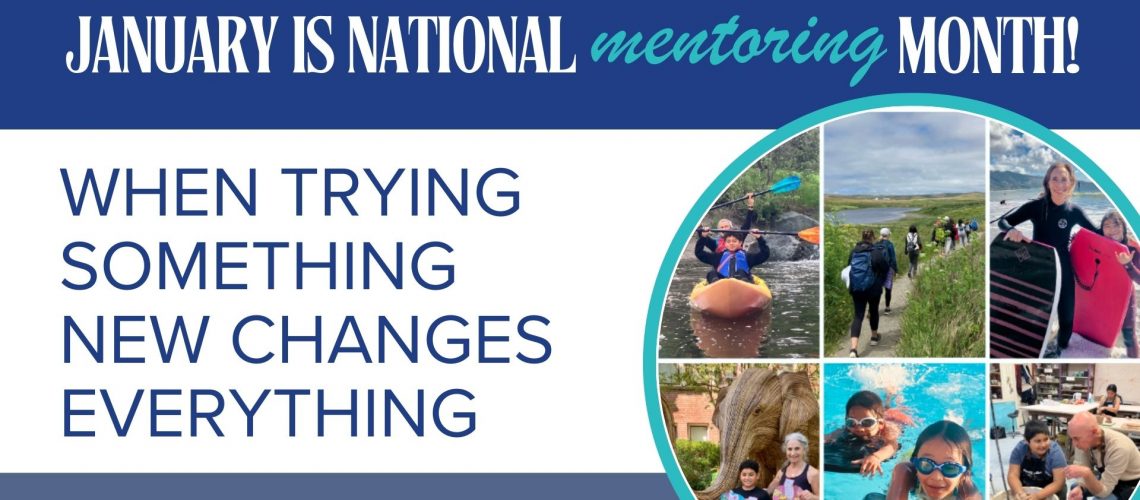
For Mentoring Alliance Program Director Brooke Finley, activities are often where that invitation comes to life. They gently stretch a comfort zone, open a door, or spark an interest a child didn’t know was there. A simple experience, maybe bowling, an art class or trying something unfamiliar, becomes a small but meaningful shift in how a mentee sees themselves.
“Our activities expose kids to things that are totally new,” Brooke says. “Something might spark an interest they didn’t know they had.”
Trying something new can feel intimidating, especially for kids who already feel unsure of themselves. Brooke has seen that hesitation soften when a mentor is nearby. With someone they trust alongside them, kids are more willing to try. They know they’re supported, and that support makes all the difference.
What unfolds in those moments is more than participation. Mentors and mentees learn side by side, creating shared memories that quietly shape their relationship. Over time, mentees begin to see their mentors differently. Maybe not just as a trusted adult, but as someone willing to experience new things alongside them.
Brooke is also intentional about planning activities that have a more lasting effect on the matches. She wants mentees to feel like they’re part of something bigger than a one-on-one relationship. As they spend time with mentors and mentees from other schools, they begin to recognize a shared connection. They realize they’re part of a larger community of mentoring.
That sense of belonging matters. Through activities, mentees begin to feel connected not only to their mentor, but to Sonoma Valley itself. They meet people. They recognize places. Names become familiar, like Rodger at Sebastiani, or the artists at Transcendence Theatre Company. The community begins to feel welcoming and accessible.
As mentees grow older, those experiences naturally begin to point toward the future. Activities expose kids to new interests, possibilities, and paths they may never have considered. Having a mentor alongside them makes exploring those possibilities feel safer and more achievable.
When Brooke reflects on the impact activities can have, one memory always comes to mind.
There was an eighth-grader carrying a lot. Family struggles had left her very shut down, and connecting with her mentor had been difficult. Confidence felt out of reach, and trying something new felt nearly impossible.
Through an activity with the Square Peg Foundation, which supports youth through nature-based experiences with horses, Brooke watched something shift. The mentee had never been around horses before, and the program’s slow, intentional approach which is focused on building comfort before riding, allowed her to feel safe. With her mentor’s encouragement and steady support, she connected immediately. With the horses. With the staff. With the environment itself.
She kept coming back. She began volunteering, with her mentor driving her there. Over time, she built a new friend group and a growing sense of confidence that reached far beyond the program.
Brooke watched as that confidence carried into every part of her life. The quiet, withdrawn girl joined the lacrosse team. Then cheerleading. And eventually, the debate team.
“I really don’t think that would have happened if she hadn’t experienced that activity,” Brooke says.
For Brooke, this is the quiet power of activities. They don’t force change. They create space for it in the moments where kids feel supported enough to try, safe enough to grow, and connected enough to imagine something more.
Sometimes, all it takes is one shared experience and a mentor willing to go along on the journey with a child.